Gardeners for homes near Tooting Bec Lido SW17
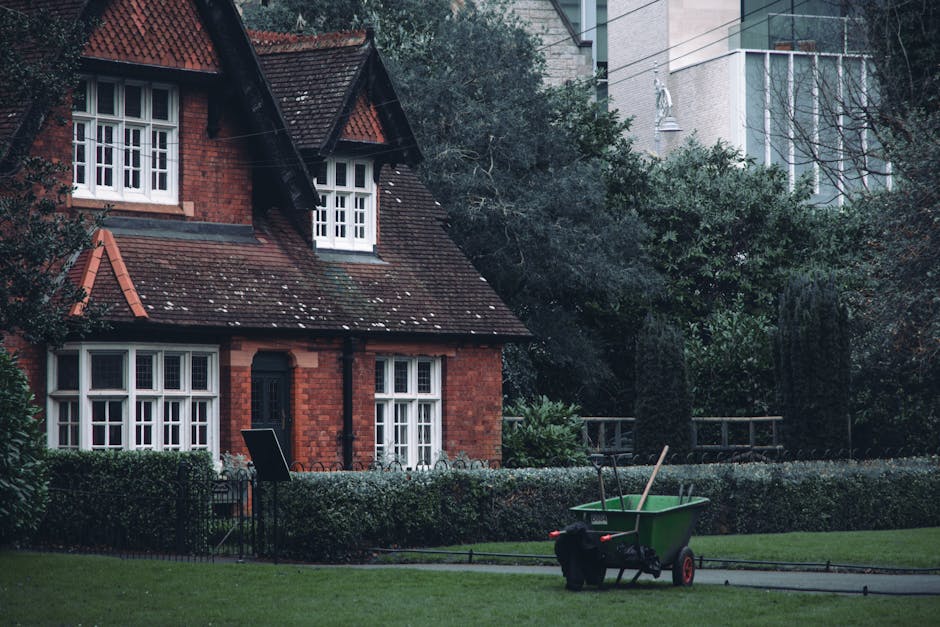
If you live close to Tooting Bec Lido, you already know the area has its own rhythm: summer foot traffic, shaded corners, the occasional dry spell, and gardens that can go from tidy to mildly chaotic faster than you'd expect. That is exactly why Gardeners for homes near Tooting Bec Lido SW17 matters. It is not just about keeping grass short or hedges clipped. It is about making a garden work with local conditions, the way you actually live, and the amount of time you realistically have. Truth be told, most people do not want a "perfect" garden. They want one that feels calm, looks cared for, and does not become another weekend job hanging over them.
In this guide, we'll cover what local gardening support really involves, how it works, what to expect, and how to choose the right mix of maintenance, clearance, lawn care, hedge work, and landscaping. You'll also find a practical checklist, a comparison table, and a few honest examples from everyday garden situations. No fluff. Just the useful stuff.
Why Gardeners for homes near Tooting Bec Lido SW17 Matters
The homes around Tooting Bec Lido sit in a part of London where outdoor space can be incredibly varied. Some gardens are narrow and shaded. Some get strong sun. Some sit behind terraces and need careful access. Others have mature planting that looks lovely until it suddenly starts blocking light, dropping leaves, and spreading into paths. A local gardener understands these patterns in a practical way, not as theory.
That matters because the wrong approach can waste time and money. A lawn that is cut too short in a dry spell struggles to recover. Over-trimming a hedge can leave it thin and patchy. Letting a front garden build up with weeds, leaf fall, and moss makes it harder to bring back under control later. Garden care is cumulative, a bit like housework. Small jobs stay small if they're handled regularly.
For homes near the Lido, the other factor is lifestyle. People here often want gardens that support busy routines: somewhere for morning coffee, somewhere for children to play, somewhere to sit after a swim or a long day. You are not just buying labour. You are buying headspace. And that's a fair distinction.
If you want a broader view of what a professional service can include, the services overview is a useful starting point, especially if you're weighing up maintenance, clearance, or more involved landscaping work.
How Gardeners for homes near Tooting Bec Lido SW17 Works
At its simplest, local gardening support begins with assessing the condition of the garden and deciding what needs doing now, what can wait, and what should be planned over a few visits. That sounds basic, but it saves a lot of nonsense later on. A good gardener will not simply cut everything down because it looks busy. They will look at growth patterns, seasonality, access, and the overall condition of the space.
Most home gardens benefit from a mix of recurring and occasional tasks. Recurring tasks are the regular ones: lawn mowing, edging, light weeding, deadheading, hedge trimming, and tidy-ups. Occasional jobs might include garden clearance after a period of neglect, pruning, soft landscaping, replacing tired sections, or improving an awkward corner that never seems to do much.
Near Tooting Bec Lido, many gardens also need practical handling around damp shade, compacted soil, boundary hedging, and wildlife-friendly planting that has grown a bit too enthusiastically. You can think of it as maintenance first, styling second. If the structure is sound, the garden looks better with much less effort.
A sensible process usually looks like this:
- Inspect the garden and identify the main issues.
- Separate urgent jobs from routine upkeep.
- Agree the scope, timing, and access needs.
- Complete the work in a tidy, methodical order.
- Review the result and plan the next visit if needed.
This is also where services such as garden maintenance, lawn mowing, and hedge trimming often overlap. In real life, gardens rarely need only one thing.
Key Benefits and Practical Advantages
The biggest benefit is obvious: a better-looking garden. But there is more to it than appearances. A well-kept garden is easier to use, safer underfoot, and far less stressful to manage. You notice it when you step outside and the path is clear, the lawn is even, and the planting looks intentional rather than accidental.
Here are the practical gains that matter most:
- More usable space. A tidy layout makes patios, lawns, and borders feel larger.
- Better plant health. Regular care helps shrubs, hedges, and lawns stay in better condition.
- Less future work. Small issues are cheaper and easier than a full recovery job.
- Improved kerb appeal. Helpful if you are hosting, renting, or planning to sell.
- Safer access. Fewer slippery patches, broken branches, and hidden obstacles.
- Seasonal resilience. Gardens that are maintained properly cope better with weather swings.
There is also a very human benefit: peace of mind. A garden that is under control stops nagging at you every time you look out of the kitchen window. That sounds small. It isn't, really.
If the garden has become overgrown or cluttered after a long pause, garden clearance can reset the space before ongoing care begins. And if the goal is not just tidiness but a better overall layout, landscape gardening or wider landscaping work may be the smarter long-term move.
Who This Is For and When It Makes Sense
This service is a strong fit for a surprisingly broad group of homeowners. If any of the following sounds familiar, you are probably in the right place:
- You have a garden, but not enough time to stay on top of it.
- You want a tidy outdoor space without becoming your own weekend grounds crew.
- You've inherited a garden that is a bit more work than expected.
- You have hedges, borders, and lawn areas that need regular attention.
- You need help after holiday periods, poor weather, or a long gap in upkeep.
- You are planning to improve the property and want the outside to match the inside.
It also makes sense if you are on the edge of deciding between simple maintenance and a bigger project. For example, if the garden keeps feeling awkward to use, you may only need some targeted changes rather than a full redesign. A decent professional will tell you that, by the way. They should not push you into more work than the space needs.
One real-life scenario: a small rear garden near the Lido with patchy grass, one overgrown hedge, and a cluttered corner full of old pots. That garden might not need a major makeover. It may simply need a proper reset, followed by a light monthly routine. Simple enough, but not always easy to spot when you live with the mess every day.
Step-by-Step Guidance
If you are approaching garden care for the first time, or returning to it after a long pause, a structured plan helps. No drama. Just a method that keeps the work manageable.
1. Start with a clear walk-through
Walk the whole garden and note what is growing well, what is failing, and what is in the way. Look at lawns, borders, hedges, trees, drainage spots, access paths, and any hidden corners. A quick photo on your phone can help, especially if you want to compare before and after.
2. Split the work into urgent, routine, and optional
Urgent work includes overgrown growth that blocks paths, dead branches, or anything unsafe. Routine work includes mowing, trimming, and general tidying. Optional work might be visual improvements, replanting, new edging, or decking-related upgrades.
3. Decide whether you need maintenance or a one-off reset
If the garden has stayed fairly healthy, regular upkeep may be enough. If it has got cluttered, then a reset through clearance or a more detailed visit makes more sense. This is one of those "don't fight the garden, work with it" moments.
4. Tackle the highest-impact jobs first
Usually that means mowing, hedge reduction, weeding, and clearing debris. Once those are sorted, the whole space becomes easier to judge. Funny how much better a garden looks after the obvious distractions are gone.
5. Put the garden on a rhythm
Most gardens do better with scheduled care than with reactive fixes. Fortnightly, monthly, or seasonal visits can all work depending on growth rate, size, and use. The right pattern is the one you can actually keep up.
6. Add improvements only after the basics are stable
That could mean edging, mulching, planting, or new surfaces. If the groundwork is wrong, shiny upgrades will not hold their value for long.
Expert Tips for Better Results
Here's the part that often makes the biggest difference. Most gardens are not difficult; they are just slightly neglected in the wrong places. A few small habits go a long way.
- Keep hedges slightly narrower at the base. It helps light reach lower growth.
- Do not scalp the lawn. Cutting too short stresses grass, especially in dry weather.
- Lift debris before cutting. Twigs, toys, stones, and hidden odds and ends can damage tools and create mess.
- Work with the season. Spring and early summer are about control and shape; later in the year the focus shifts to tidiness and resilience.
- Leave space for drainage and airflow. Damp corners near fences can become trouble spots if ignored.
- Use pruning with purpose. Random cutting usually leads to awkward regrowth.
One small but useful habit: keep a simple note of what was done and when. It sounds a bit neat-freakish, I know, but if you are managing a larger garden or a mix of services, it stops the "didn't we trim that already?" confusion.
If you are looking at heavier work, it may be worth reviewing tree lopping and removal carefully, especially where branches are shading a garden, leaning over structures, or dropping excessive debris. This is one area where restraint matters. Not every tree problem is a tree removal problem.
Common Mistakes to Avoid
Most avoidable garden problems come from rushing, over-cutting, or leaving things too long. The good news? They're usually fixable if caught early.
- Waiting until everything is overgrown. The job becomes harder, slower, and more expensive.
- Assuming all hedges want the same treatment. Different species behave differently.
- Ignoring moss and compaction on lawns. A lawn can look green and still be struggling.
- Mixing clearance with final finishing. First remove waste and clutter, then shape the space.
- Cutting back too aggressively in one go. Some plants do not forgive heavy-handed work.
- Forgetting disposal. Green waste builds up fast. Very fast, actually.
A smaller but common issue is buying effort in the wrong order. For instance, people sometimes invest in decorative planting before sorting a bad hedge line, poor soil, or poor access. The pretty bit should sit on top of the stable bit, not the other way round.
Tools, Resources and Recommendations
You do not need a shed full of specialist equipment to maintain a garden well. In many cases, the right tools are the plain ones: mower, shears, secateurs, rake, fork, pruning saw, gloves, and proper bags or bins for waste. The challenge is usually not owning tools; it is using them consistently and safely.
If you are choosing professional support, the most useful things to look for are not flashy. They are the practical basics:
- Clear explanation of what will be done
- Appropriate equipment for the job
- Tidy waste handling and sensible disposal
- Respect for access, neighbours, and boundaries
- Transparent expectations around scope and timing
For homeowners comparing bigger jobs, pricing and quotes can help you understand how jobs are assessed. If the garden is mixed in type, ask for the scope to be broken down. Maintenance, clearance, and landscaping are related, but they are not the same thing.
If sustainability matters to you - and for many local households it does - check how waste is handled and whether green material is being recycled responsibly. The page on recycling and sustainability is worth a look for that reason alone.
Law, Compliance, Standards, or Best Practice
Garden work is not as heavily regulated as some trades, but best practice still matters. That includes sensible risk management, careful handling of tools, respect for neighbouring properties, and proper disposal of waste. If the work involves larger trees, steep access, power tools, or difficult boundaries, the safety expectations rise quickly.
For homeowners, the key is to choose someone who works carefully and communicates clearly. Insurance, public safety awareness, and a proper method of work are all part of professional standards, even when the job seems simple. It's easy to forget that a hedge trim or tree cut can affect roofs, fences, driveways, and people passing by.
You should also expect fair treatment in how a provider presents its policies. A reliable business will usually make important information easy to find, including pages such as insurance and safety, health and safety policy, terms and conditions, and complaints procedure. Those pages are not there for decoration. They tell you how the business thinks about responsibility.
Privacy and payment confidence matter too, even for a garden service. If you are sharing personal details or paying online, it helps to know the business has clear information on privacy policy, cookie policy, and payment and security. Not glamorous, but useful. Properly useful.
Options, Methods, or Comparison Table
Choosing the right approach depends on the state of the garden and what you want it to feel like day to day. Here's a simple comparison.
| Option | Best for | Typical focus | When it works best |
|---|---|---|---|
| Routine garden maintenance | Homes that are already in decent shape | Mowing, weeding, hedge trims, tidy-ups | Ongoing care and seasonal upkeep |
| Garden clearance | Overgrown or neglected spaces | Removal of waste, heavy growth, and clutter | Resetting the garden before regular care |
| Landscape gardening | People wanting structural improvement | Layout, planting, borders, surfaces | When the garden needs better flow or function |
| Decking services | Homes needing a usable outdoor area | Raised or level access, seating zones, surfaces | When you want a defined entertaining space |
If you are unsure where to begin, start with the least dramatic option that solves the problem. For many homes, that is maintenance. For others, especially after a long gap, a clearance visit is the cleaner reset. And if the garden keeps "fighting back," a bigger design rethink may be worth it.
Case Study or Real-World Example
Consider a typical rear garden near the Lido: modest size, one lawn, a long hedge on the boundary, a patio that has become slightly mossy, and a planting bed that looked lovely two years ago but now feels crowded. Nothing dramatic. Just a bit tired.
The first visit focuses on clearing the clutter: fallen twigs, leaf build-up, weeds around the patio edge, and the worst of the overgrowth. The lawn is cut to a sensible height rather than hacked down. The hedge is reduced carefully, not flattened. The border is thinned so light can reach the plants underneath. Once that happens, the space changes immediately. It breathes again.
A few weeks later, the garden is easier to maintain because the basic structure is back under control. At that point, the homeowner can decide whether to keep it on a regular routine or add more improvement work. That is usually the moment people realise the garden was never the problem. The timing was.
Another common example is the busy family garden that gets used hard in spring and summer. Toys, bikes, wet shoes, and all the normal chaos pile in. The fix is not perfection. It is creating a layout that can survive real life without constant nagging.
Practical Checklist
Use this checklist before booking or starting work. It keeps things straightforward.
- Walk the garden and identify the main problem areas
- Decide whether the job is maintenance, clearance, or improvement
- Check access for tools, waste, and working space
- Note any fragile features such as ponds, lights, fencing, or newly planted areas
- Confirm whether hedges, lawns, or trees need specialist attention
- Make sure the waste plan is clear before work begins
- Ask how the result will be maintained after the first visit
- Review safety, insurance, and policy information if relevant
- Set a realistic timetable for follow-up care
- Keep the goal simple: tidy, healthy, usable
Expert summary: The best garden results near Tooting Bec Lido SW17 usually come from consistent upkeep, sensible pruning, and honest prioritisation. Fix the structure first, then refine the appearance. That order saves time, money, and a lot of frustration.
If you are ready to move from planning to action, the next sensible step is to review the service options that match your garden's condition, then make an informed enquiry. You can also learn more about the team behind the work on the about us page, which is helpful if you want to understand the values and approach before getting started.
Get a free quote today and see how much you can save.
Conclusion
Gardeners for homes near Tooting Bec Lido SW17 are about more than keeping things tidy. They help turn outdoor space into something usable, calm, and genuinely pleasant to live with. Whether your garden needs regular mowing, hedge shaping, a full clearance, or a longer-term landscaping plan, the right approach starts with looking at the space honestly and choosing the least complicated solution that will actually hold up.
For local homeowners, that usually means balancing appearance with practicality. You want a garden that looks cared for, but also one that fits your routine and does not punish you every time growth picks up after rain. Sensible care beats frantic catch-up work almost every time.
If you keep the work steady, the garden becomes less of a task and more of a small daily win. And frankly, that is what a good home garden should feel like.
Frequently Asked Questions
What do gardeners for homes near Tooting Bec Lido SW17 usually help with?
They typically help with lawn care, hedge trimming, weeding, seasonal tidy-ups, garden clearance, pruning, and broader maintenance. Some homeowners also need support with landscaping or decking when the garden needs a more functional layout.
Is it better to book regular maintenance or a one-off visit?
If the garden is already in decent condition, regular maintenance is usually the smarter choice. If it has become overgrown or cluttered, a one-off clearance or reset may be the better starting point. After that, ongoing care is much easier.
How often should a typical London garden be maintained?
It depends on size, planting, and how fast things grow, but many gardens benefit from visits every few weeks during the growing season. Some smaller or lower-maintenance spaces can be managed less often. The key is consistency.
Do I need garden clearance before maintenance?
Not always. If the garden is only lightly untidy, maintenance may be enough. But if there is a backlog of weeds, debris, or heavy growth, clearance makes the maintenance work more effective.
What is the difference between landscaping and garden maintenance?
Maintenance keeps an existing garden healthy and tidy. Landscaping changes the structure, layout, or surface of the space. One is about upkeep; the other is about transformation. They can work together, but they are not the same job.
Can a gardener help with hedge trimming near homes around the Lido?
Yes, hedge trimming is one of the most common garden tasks in local residential areas. It helps keep boundaries neat, improves light, and stops hedges from becoming too wide or awkward to manage.
What should I check before hiring a gardener?
Check what work is included, how waste will be handled, whether the business has clear policies, and whether the service matches your garden's current condition. It also helps to ask about insurance and safety, especially for larger or riskier jobs.
Are tree lopping and removal always necessary for overgrown trees?
No. Sometimes careful pruning is enough. Tree work should be approached cautiously, because the wrong cut can create more problems than it solves. A proper assessment matters more than forcing a quick fix.
How can I keep garden costs under control?
The easiest way is to stay ahead of the mess. Small, regular visits are usually more manageable than waiting for everything to become overgrown. Clear priorities also help, especially if you separate maintenance from larger improvement work.
What if I only want help with the lawn and hedges?
That is perfectly normal. Many homeowners just want a simple routine for mowing and hedge care. Narrowing the scope can keep things efficient and affordable while still making a big visual difference.
How do I know if my garden needs a redesign rather than more maintenance?
If the space keeps feeling awkward no matter how tidy it is, or if you never quite use the garden the way you want to, it may be time to look at landscaping or a structural change. Sometimes the garden is tidy, but the layout is the real issue.
Where can I learn more about the service options?
The best place to start is the services overview, which helps you see how maintenance, clearance, landscaping, and related work fit together. From there, it is easier to decide what your garden actually needs.